Type beat explained through WHO, a 171 BPM Cm trap instrumental you can license and rap on today
Need articles like this for your video? They help promote it on YouTube and Google — order them in the Telegram bot @sat_sit_bot. Articles with your video embedded are written and posted by the bot itself — on popular topical sites (no ads). Try it free: 50 articles on us.
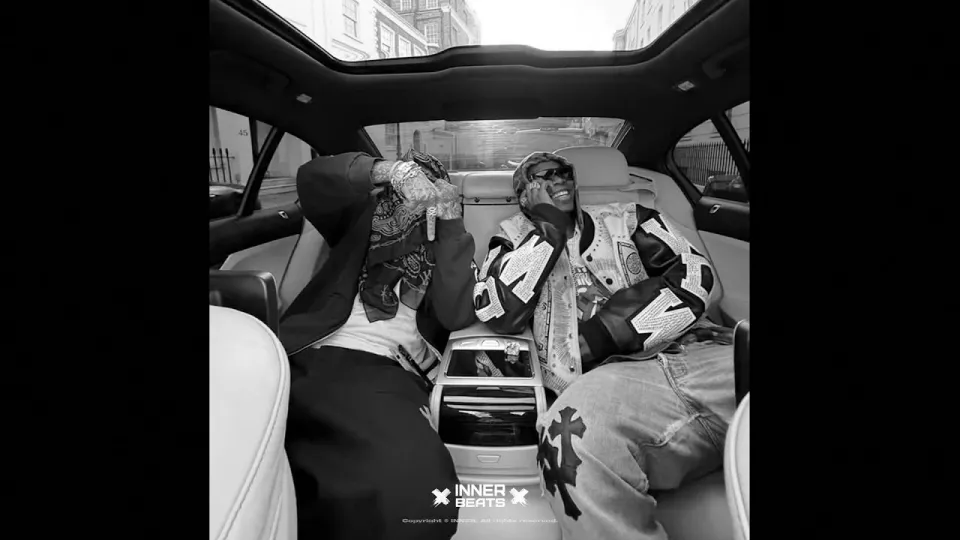
A type beat is an original instrumental built in the style of a specific artist or scene, sold or licensed for other artists to write and record on. "WHO" from the producer INNER BEATS is a working example: a hard trap type beat at 171 BPM in C minor, free to download and license through the producer's BeatStars page before you release anything on it.
What a type beat actually is and why the label matters
A type beat is a beat made by an independent producer that imitates the sonic signature of a known artist, region or subgenre without sampling that artist's work. The word "type" describes the reference, not the owner: a "trap type beat" is not a beat by a specific rapper, it is a beat that fits the lane that rapper works in. Producers use the phrase because it is how artists search — someone looking for a dark, hard trap type beat wants a mood and a tempo range, not a name.
The practical consequence is licensing. Because the instrumental is original, the producer holds the copyright and sells usage rights in tiers. Free downloads usually allow non-profit practice only; a lease covers distribution up to a stream or sales cap; an exclusive license transfers broader rights and lets you register the song with a rights organization. INNER BEATS states the rule plainly: you need a suitable license before uploading a song to streaming services, and you cannot register it with BMI, ASCAP, WIPO, OMPI or any Content ID system unless you hold an exclusive license.
Inside the WHO instrumental: 171 BPM in C minor
"WHO" is a hard trap type beat at 171 BPM in the key of C minor, built for freestyle and rap writing. That tempo sits in the fast lane of trap: 171 BPM is roughly double a 85 BPM half-time feel, which is why the same beat can be rapped with double-time triplet flows or with slow, spaced-out bars that land on every other kick.
C minor gives the beat its dark color — three flats, a minor third between C and E-flat, and an easy pivot to A-flat and F minor. That is the harmonic territory most dark trap type beats live in, and it is why the instrumental reads as hard rather than melodic-happy. The arrangement is compact and sectional: hook, verse, hook, verse, outro, with each verse block long enough for a full 16 and each hook short enough to stay a hook.
How to write and record on a 171 BPM trap beat
Start by choosing your pocket before you write a single line, because 171 BPM punishes hesitation. Here is a sequence that works on fast trap type beats:
- Loop the verse section and count bars out loud. At 171 BPM a standard 16-bar verse runs about 22 seconds, so a full song is short — every bar has to carry weight.
- Decide between double-time and half-time delivery. Double-time rides the hi-hats; half-time lands on the kick and snare and leaves space, which is where silence becomes an instrument.
- Write the hook first. On "WHO" the hook is the shortest section, so it needs one repeatable phrase, not a full verse of ideas.
- Keep the low end clean. In C minor the root sits low; record your vocals with a high-pass filter around 80–100 Hz so the 808 has room.
- Track ad-libs on a separate take and pan them wide — fast beats mask small timing errors, but they expose muddy stacks.
Free download versus paid license: what you get
The download link in the video description leads to a BeatStars page where the producer lists the license tiers, the BPM and the key together with the tagged and untagged files. The free option is for writing, practicing and non-monetized demos. The moment you plan to earn — Spotify, Apple Music, YouTube monetization, sync — you buy the tier that matches your expected reach.
Two rules apply at every tier. First, credit the producer as agreed in the license. Second, do not register the composition with a collecting society or a Content ID system unless the license is exclusive; doing so on a lease can get your release taken down and your account flagged. If you are unsure which tier fits, message the producer before you release rather than after.
Common questions from artists picking a type beat
Most hesitation around type beats is not about the music, it is about permission and fit. Writers want to know whether a fast beat will make their delivery sound rushed, whether a free beat is really free, and whether their style matches a dark C minor instrumental at all. The honest answer to the last one is to test it: record 8 bars, listen back, and judge whether the beat is doing the work or fighting you.
A second recurring theme is structure. Producers leave timestamps in descriptions — hook, verse, hook, verse, outro — so you can map your song onto the arrangement instead of guessing where the beat changes. Use those markers: write your 8-bar and 16-bar blocks to match them exactly, and the beat will feel built for your vocal rather than borrowed from someone else's song.
Where to find INNER BEATS and the rest of the links
All official channels for this beat and future releases are listed in one place:
- Free download and license: https://bsta.rs/15OHhT
- Instagram: https://www.instagram.com/prod_by_inner/
- Telegram: https://t.me/prodbyinner
- Email: beatsinnerpls@gmail.com
Final take
"WHO" is a clean demonstration of what a hard trap type beat should deliver: a fixed tempo and key you can plan around, a sectional arrangement you can write to, and a license path that is stated up front. At 171 BPM in C minor it rewards decisive writing — pick your pocket, keep the hook short, and leave space for the low end. The video breakdown and the instrumental come from the channel INNER BEATS, and the license page is where the practical next step sits. Grab the download through the official license link, read the tier you are buying, and only then take the record to streaming.
Key takeaways
- "WHO" by INNER BEATS runs at 171 BPM in the key of C minor.
- The instrumental follows a hook–verse–hook–verse–outro structure across roughly two minutes.
- A free download and license option is available at bsta.rs/15OHhT before any release.
- Commercial uploads require a paid license; registering the song with BMI, ASCAP, WIPO, OMPI or Content ID requires an exclusive license.
- A 171 BPM trap beat can be rapped double-time or at half-time around 85 BPM for a slower pocket.
Questions & answers
Can I release a song on a free type beat?
A free download is normally for practice and non-monetized demos only. To upload to streaming services you need a lease or exclusive license that covers your expected distribution, and you must follow the credit terms in that license.
Why does a 171 BPM trap beat feel slower than it looks?
171 BPM is close to double an 85 BPM half-time feel, so the drums can sit on a slow pocket while the hi-hats run fast. That is why some artists rap double-time over it and others land one bar per two beats.
Can I register my song with BMI, ASCAP or Content ID?
Only with an exclusive license. Registering a leased or free type beat with a collecting society or a Content ID system can trigger a takedown, so confirm your license tier with the producer first.
How do I know if a dark C minor type beat suits my voice?
Record 8 bars over the verse section and listen back without effects. If your delivery sits comfortably against the 808 and you are not rushing the bar line, the key and tempo fit; if you are chasing the beat, try half-time phrasing before changing instrumentals.
Source: "WHO" | Trap Type Beat | Freestyle Beat | Type Beat | Hard Type Beat | Rap Type Beat 2026 · Markdown version